A Brief History of Vancouver Planning & Development Regimes

(co-authored with Jens von Bergmann and cross-posted at MountainMath)

Say you want to construct some multi-family housing in Vancouver. How long will it take? The answer is simple: it depends. There are many factors upon which it depends. Here we want to highlight one in particular: when you started.

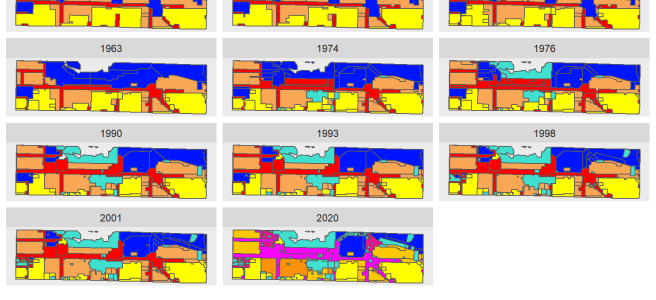
As it turns out, it used to take a lot less time to build multi-family housing. There is reason to believe we could reduce that time again, but getting there involves gathering a better understanding of our current development regime, and placing it in historical perspective. We begin this process below, before diving deeper into two case studies of developments along Alma Street, located very near one another in space, but separated by some fifty years in start time. We’re going to look at the 14 storey rental building currently under construction at the intersection of Alma and Broadway, and the 12 storey rental building built in 1970 two blocks to the north at 3707 W 7th Ave.

Continue reading

New Premier New Housing Policy

(Joint with Jens von Bergmann and cross-posted at MountainMath)

In this post, we take a moment to appreciate the first housing policy announcements from BC’s new Premier, offered up just days into his term. David Eby comes to the post fresh from his joint roles as Attorney General and Minister Responsible for Housing. In these roles, he was central to fashioning the teeth behind BC’s housing policy. Initially these teeth were directed at the private sector, with a special focus on rooting out the “toxic demand” thought to be leaving too many dwellings empty. The Speculation and Vacancy Tax (SVT) remains the most visible legacy of this approach, as we’ve written about before and we provide a brief update of SVT results based upon the latest release in our appendix below. But other legacies include things like BC’s beneficial ownership registry, insuring better transparency for private corporations.

Continue reading

On Broadway

(Written jointly with Jens von Bergmann and cross-posted at MountainMath)

We have finally found some time to take a closer look at the Broadway Plan. There are many good things to say about the plan, it adds housing in an amenity and job rich area about to get a new subway line. It promises to not just undo the downzoning the city imposed on parts of the area in the 1970s but enables a bit more housing to make up for lost time.

The plan also tacks heavily against the displacement risk to renters in the established rental apartment areas by both 1) limiting the redevelopment potential in those areas and 2) increasing the strength of tenant relocation and right of return policies, a hard-learned lesson from the redevelopment activity around Metrotown in neighbouring Burnaby. In short, overall there’s a lot to like.

In this post we want to accomplish several somewhat diverse goals

  1. Provide some code to improve the data analysis in the plan that uses census data,
  2. Place the Broadway plan more firmly into context of historical zoning changes in that corridor, and
  3. Interrogate the decision to limit development potential in the existing low-density areas, which we have argued in the past make for ideal sites to concentrate development becaues of their low displacement implications.

Continue reading

Ankh-Morpork Urbanism

My household has spent a lot of time escaping to Discworld lately. We started visiting during the beginning of the pandemic (I’d long heard good things). We’ve been returning on a regular basis ever since. And fortunately, the borders have stayed open! With only a small wait time occasionally spent in quarantine (waiting for the volumes we really wanted to read to become available).

Continue reading

Three Years of Speculation and Vacancy Tax Data

Co-authored with Jens von Bergmann and cross-posted at MountainMath

TL;DR

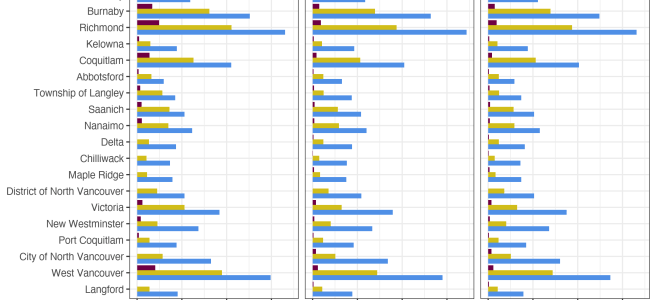
We now have three years of Speculation and Vacancy Tax data for BC, demonstrating generally less than one percent of properties pay the tax in most municipalities. We play around with the data we scraped from files released by the BC government to show

  • how the federal CHSP program systematically overstates “foreign ownership”
  • how source of revenue estimates shift depending upon definitions and tax rates
  • how properties are moving into rentals and
  • what else we can glean from exemptions and revenue data.

Continue reading

Acting Locally on Housing

Co-authored with Jens von Bergmann and cross-posted at MountainMath

It may be a measure of the issue’s importance that in the midst of a major climate disaster (not to mention COVID, breakdowns in reconciliation, and other ongoing crises), the leader of the BC Green Party, Sonia Furstenau, dropped a new op-ed on housing. Timing aside, we see this as promising. As we’ve noted in comparing platforms going into the last election, the BC Greens could use some better planning on housing policy.

Continue reading

Fixing Parking

(Joint with Jens von Bergmann and cross-posted at MountainMath)

New parking proposal just dropped! As Vancouver City Council once again discusses parking it seems like a good time to give a brief overview of the trade-offs involved, with special focus on the progressivity of parking permit fees. Vancouver proposed to introduce a city-wide parking permit program, requiring residents to buy a $45/year parking permit to park their vehicles on city streets (reduced to $5 for people with low incomes), or pay a $3 overnight visitor parking fee. Additionally the City proposes higher annual fees of $500 to $1000 for new gasoline-powered cars built 2023 or later.

Continue reading